How to make Silage ?
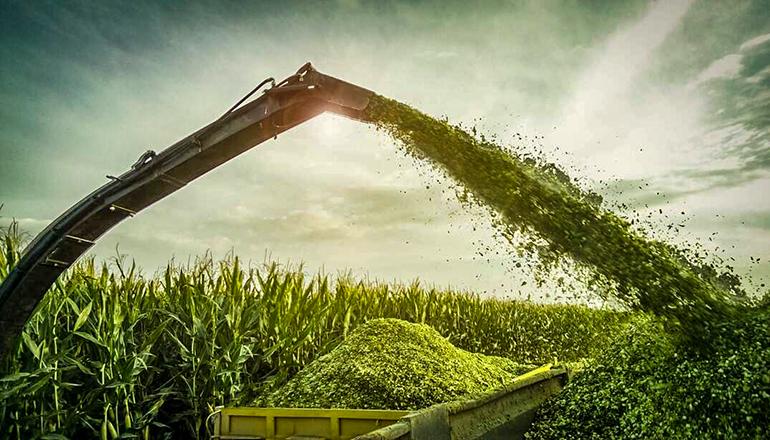
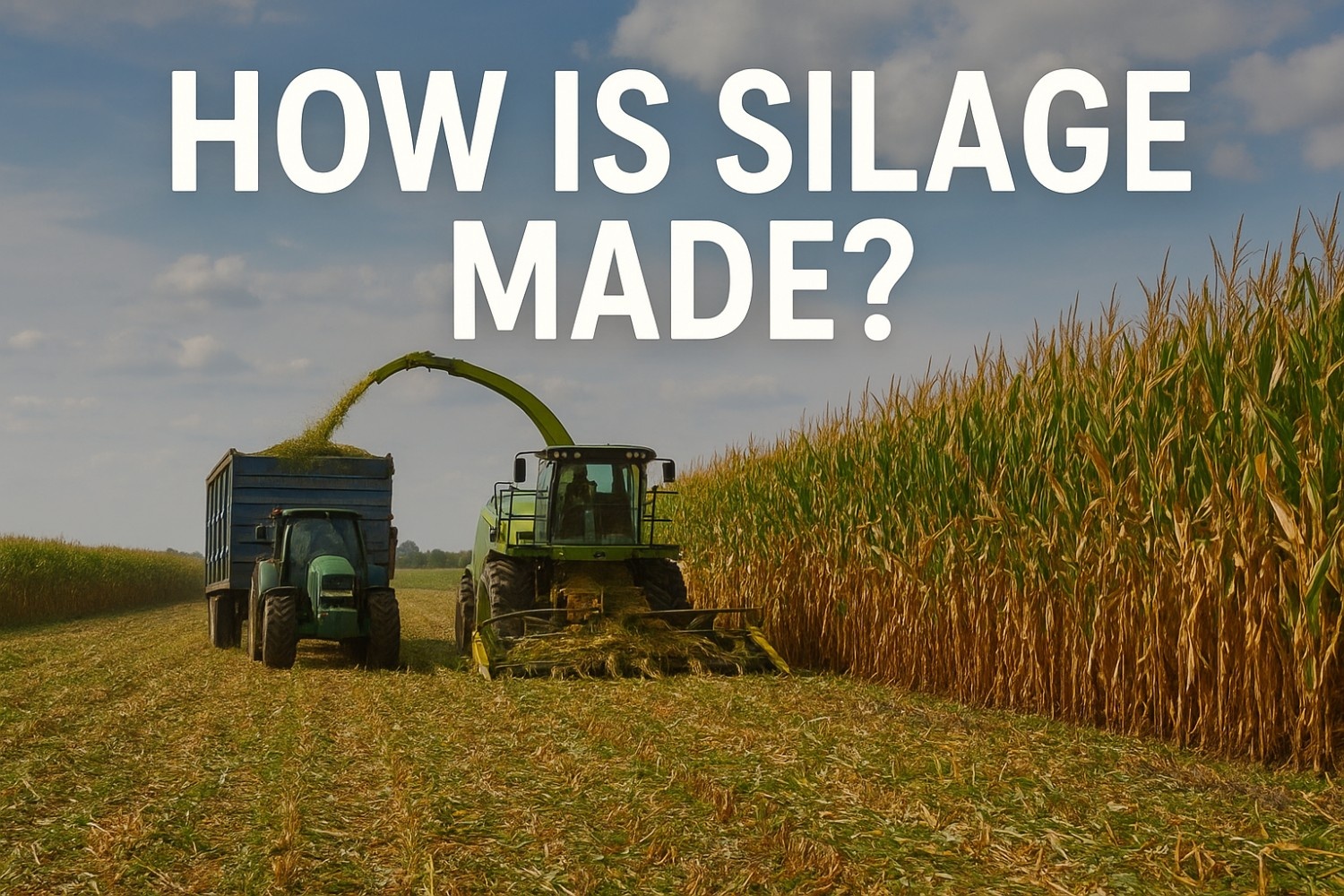
How is silage made ? Silage is made by quickly chopping fresh corn plants, controlling moisture, adding inoculants when needed, and sealing the chopped crop in an oxygen-free environment for…
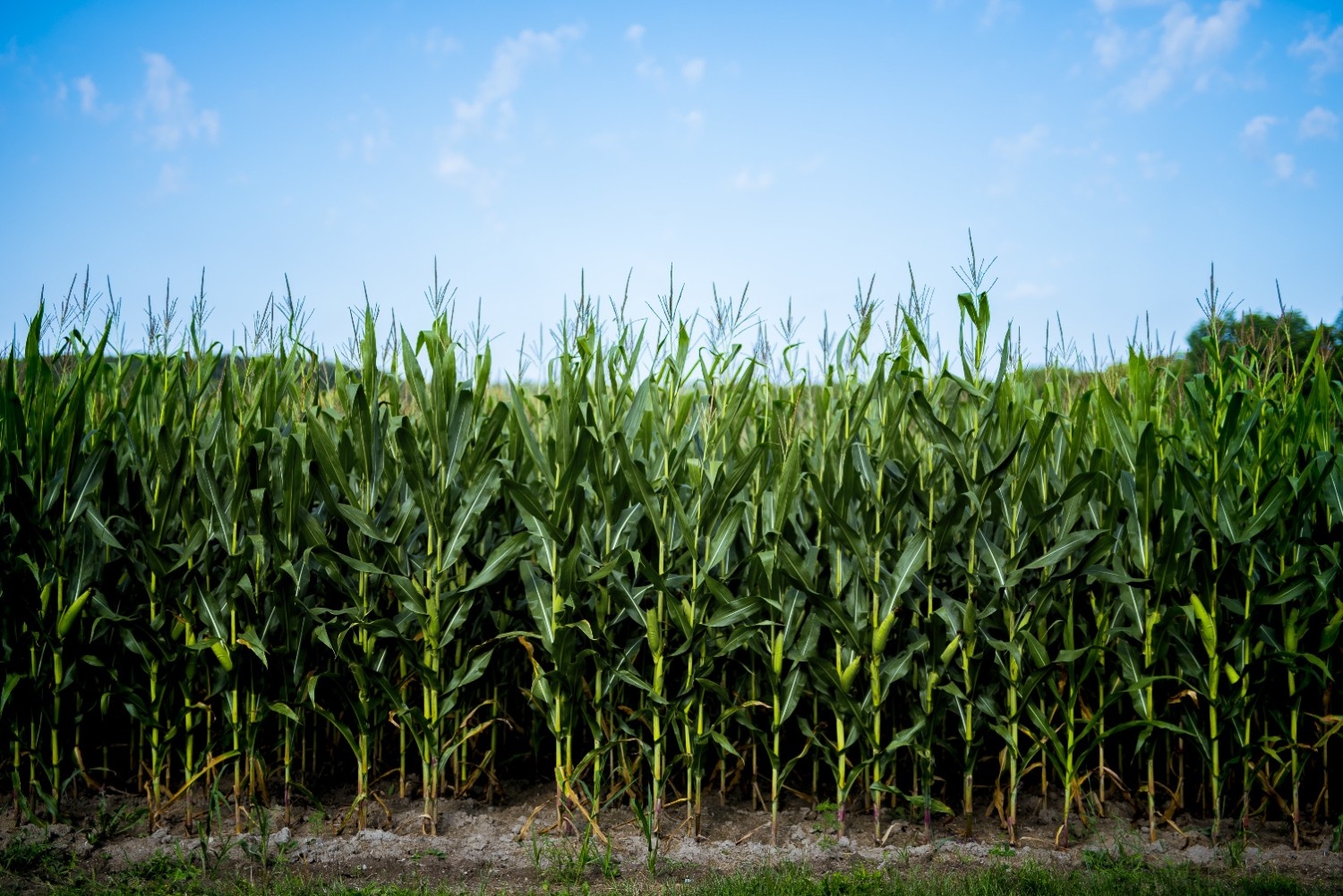
What Is Corn Silage? Corn silage is chopped, fermented corn plant material (stalks, leaves and ears) preserved to make a high-energy, palatable feed for livestock. Instead of feeding whole dry…
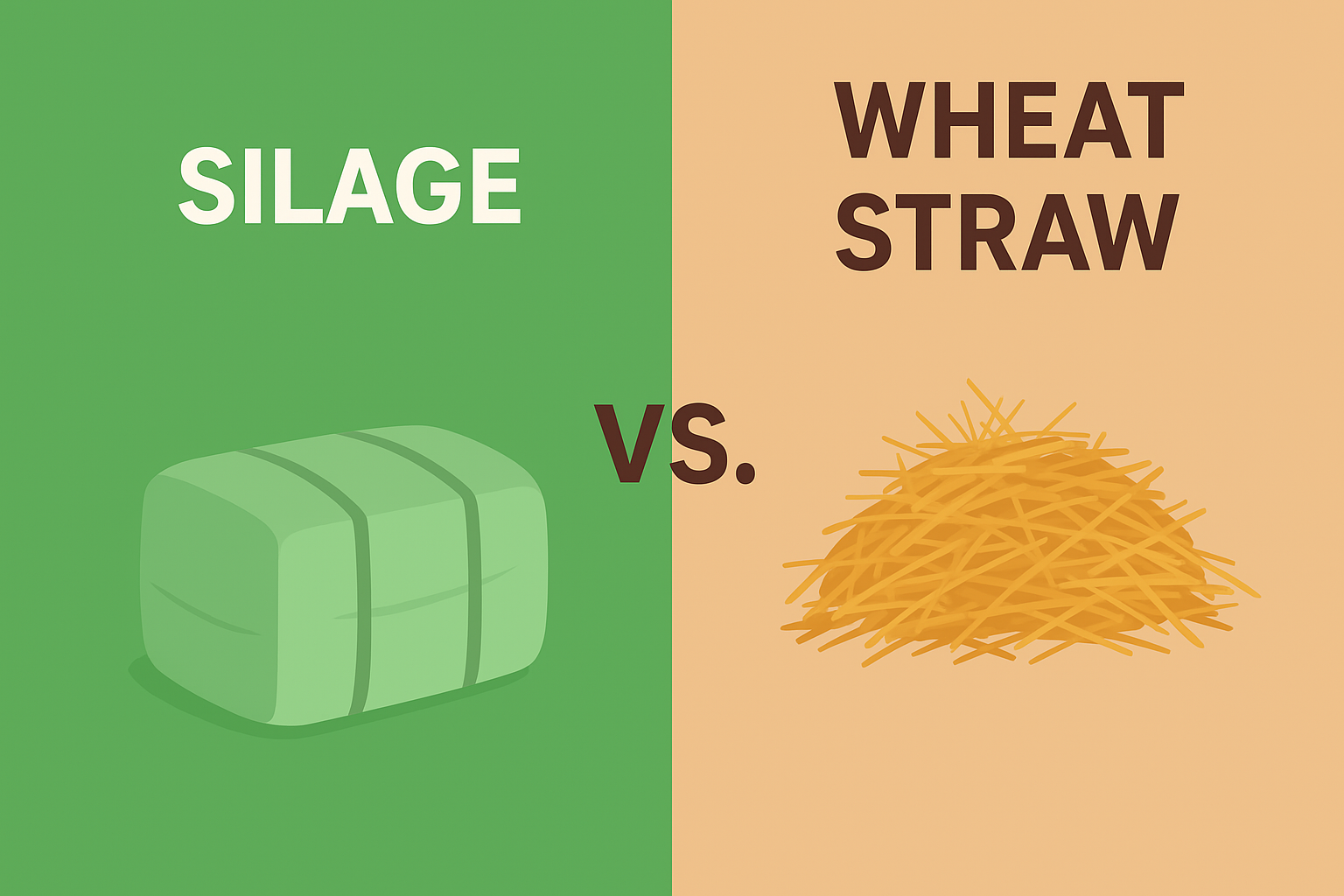
Introduction For decades wheat straw was the default cheap feed and biomass in Pakistan. Today that advantage is disappearing. Rising production and transport costs, seasonal shortages, the low nutritional value…
Bagged silage vs Bunker silage Intro — quick answer Both bagged (wrapped) silage and bunker (pit) silage produce excellent fermented feed — but for many buyers (small & medium farms,…
Introduction Pakistan’s livestock sector is huge and growing—but it faces a chronic feed shortage. Traditional green fodder and crop residues cover only part of demand, leaving large energy and protein…
Driving Pakistan’s textile export boom with world‑class fabrics and garments For Ranking of Top 10 Textile Mills in Pakistan by combined figures of Revenue, no of Employees and Export CLICK…
Understanding Pakistan’s largest textile producers—and their appetite for biomass fuelFor ranking of top 10 Textile Mills in Pakistan based on exports CLICK HERE Introduction Pakistan’s textile industry drives over 60 % of…
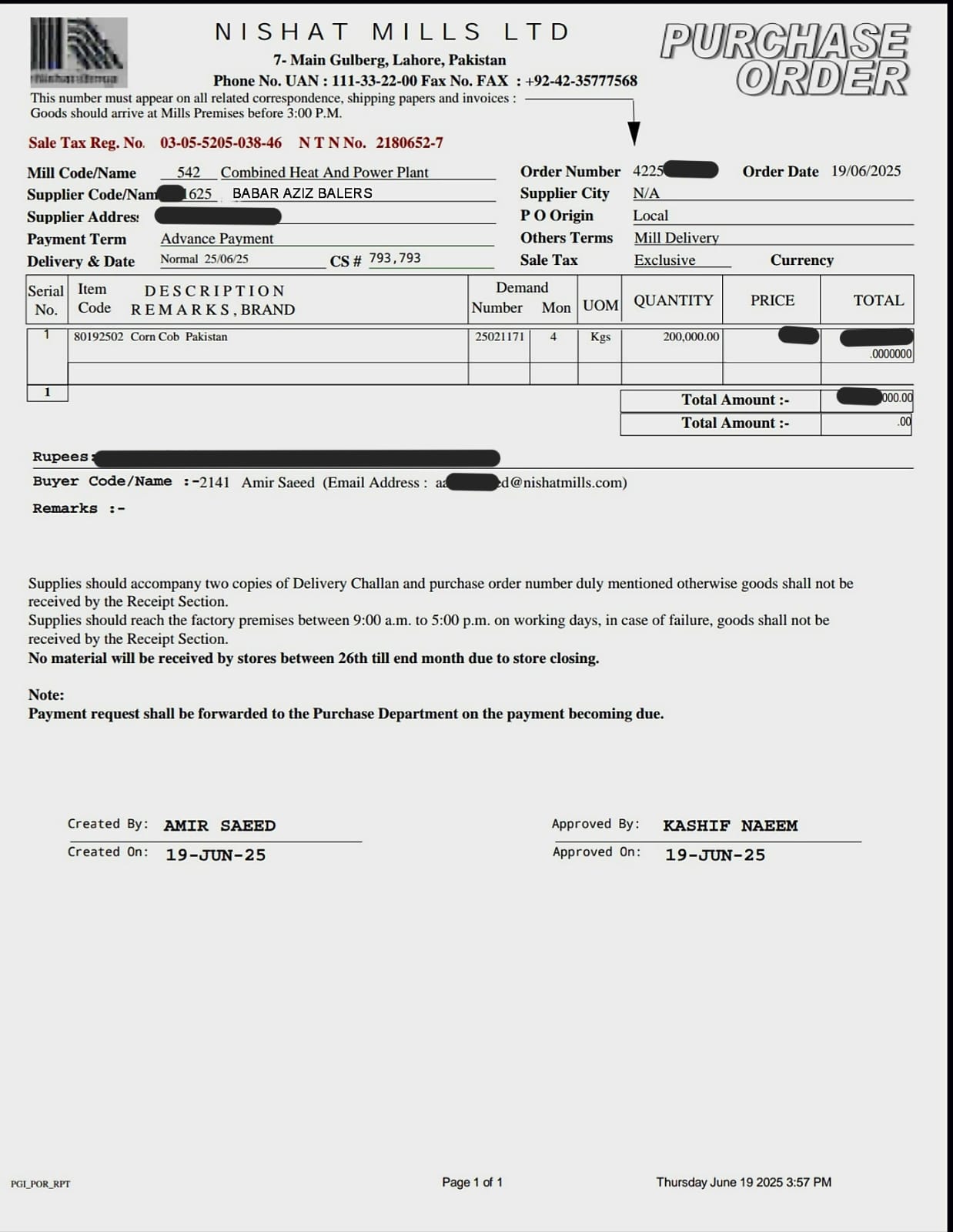
Introduction When Nishat Mills urgently required 200 tonnes of corn cob for their boilers, Babar Aziz Balers rose to the challenge—despite relying on third-party trollies and open transport. In just…
Learn everything about Babar Aziz Balers — one of the leading suppliers of biomass in Pakistan . Find out what we offer, how to contact us, and why clients trust…
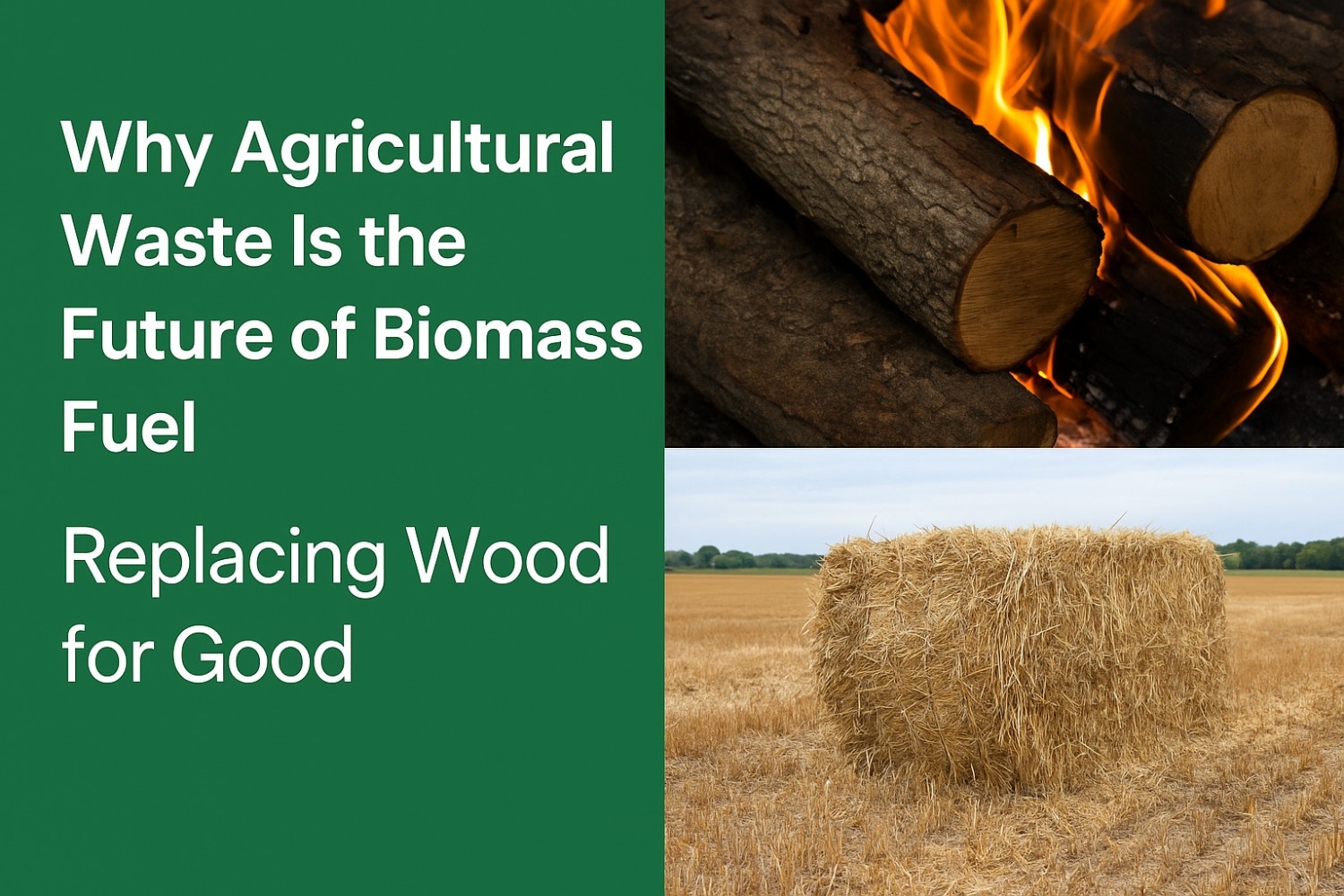
Agricultural waste—like wheat straw and rice husk—is a sustainable, cost-effective alternative to wood for biomass fuel, reducing deforestation, lowering emissions, and supporting rural economies by turning crop residues into high-calorific, eco-friendly energy.